12 Ways to Get Ready for the Festival Season
by Daniela Candillari
In a recent conversation with St. Louis Magazine, I was asked about the process of turning stories into operas and what it takes to write one. During that conversation, I also spoke about the vital role of the audience in live performance. While those of us on stage and in the pit may be the ones performing, the energy in the hall flows both ways. The audience’s presence — its focus, breath, and emotional responsiveness — feeds our work in real time. Through this symbiosis, the audience becomes an essential part of every performance.
As professional musicians, our preparation begins with the notes on the page. We study the music meticulously, honoring the work set before us by the composer and librettist. But that is only the foundation. Another crucial layer of preparation happens through research — reading composers’ biographies, studying writings about a particular work, exploring source material, and learning about the culture, history, and musical language that shape the piece. This deeper inquiry allows us to move beyond accuracy and toward authenticity. It helps us internalize the material so that what we offer on stage feels personal, truthful, and alive.
As we prepare for our 51st Festival Season at Opera Theatre of Saint Louis, I’d like to share a few ways we can all prepare together. Just as performers engage deeply with the world of each opera, audiences can enrich their own experience through curiosity and exploration — reading the stories, listening to the music, and reflecting on the themes before arriving at the theater. Opera is at its most extraordinary when it is shared. The more we each bring — knowledge, openness, imagination — the more vibrant that shared experience becomes.

The Pirates of Penzance
We open the Festival with The Pirates of Penzance, the beloved operetta by W. S. Gilbert and Arthur Sullivan. Together, Gilbert & Sullivan reshaped operatic storytelling through innovations in both content and form. Their works sparkle with wit, satire, and razor-sharp social commentary, all delivered through music of remarkable elegance and charm. Though much of The Pirates of Penzance carries the vocal fluidity and lyricism of bel canto opera, the duo’s influence reaches far beyond the operatic stage. Their seamless integration of dialogue, song, and ensemble writing laid important groundwork for the development of modern musical theater. In many ways, their legacy bridges the worlds of opera and Broadway.
1. D’Oyly Carte Opera Company Production
2. 1983 Film
In the 1980s, there was a delightful trend of adapting operas for the screen, and among those projects was the 1983 film version of The Pirates of Penzance. Directed by Wilford Leach and starring Kevin Kline, Angela Lansbury, and Linda Ronstadt, the film captures the work’s theatrical exuberance with infectious energy. While the spoken dialogue varies somewhat in dialect consistency, the production is thoroughly charming — filled with spirited performances, vibrant choreography, and a joyful sense of theatricality.

The Light in the Piazza
Next in our season is The Light in the Piazza by Adam Guettel. Musical theater is a world I am continually exploring, and I’m especially excited that this production will be my first live experience with this piece. What draws me to The Light in the Piazza is the richness of its storytelling and the variety of ways one can enter its world.
3. 1960 Novel
One meaningful place to begin is with the original source material: The Light in the Piazza, the 1960 novel by Elizabeth Spencer. Spencer’s story is intimate and nuanced, exploring themes of personal freedom, love, protection, and the complexities that arise from cultural differences.

4. 1962 Film
Following the novel’s publication, The Light in the Piazza was adapted into a 1962 film directed by Guy Green. The cinematic version offers yet another lens through which to experience this story, expanding its emotional intimacy through visual storytelling. What I find especially captivating about the film is its cinematography. The visual details provide a wonderful atmosphere, but they also immerse us in the cultural world that shapes the characters’ choices and relationships.
5. 2005 Broadway Cast Recording

A Street Named Desire
One of my favorite operas, A Streetcar Named Desire, will receive its company premiere at Opera Theatre of Saint Louis this summer. Composed by André Previn, the opera had its world premiere in 1995 at San Francisco Opera.
For a contemporary opera, it is relatively rare to enjoy a sustained life beyond its initial production. Yet A Streetcar Named Desire has proven to be a remarkable exception. Since its premiere, it has been staged by numerous companies across the United States and internationally — a testament to both the enduring power of the story and the effectiveness of its operatic adaptation.
6. 1951 Film Adaptation
7. André Previn Documentary The Kindness of Strangers
8. Leontyne Price and André Previn’s Right as the Rain

Romeo and Juliet
The final opera of our season is Charles Gounod’s Romeo & Juliet — a story that needs little introduction, yet continues to inspire generations of artists, composers, and performers. Its themes of love, fate, and conflict remain timeless, and each new interpretation brings fresh insight into its enduring power.
9. William Shakespeare’s original play
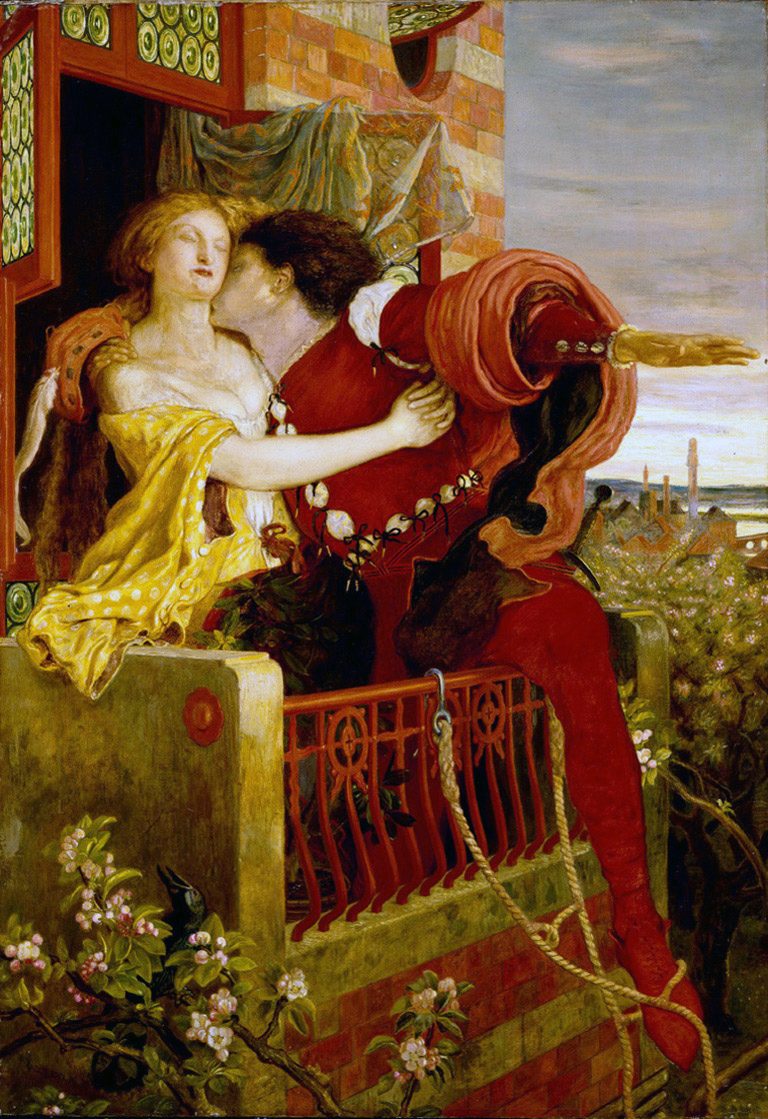
10. Sergei Prokofiev’s ballet
11. 1968 film adaptation
12. Aria Code Podcast

I hope you enjoy these recommendations and look forward to welcoming you to the Opera Theatre of Saint Louis for our upcoming season!
Daniela Candillari’s engagement is made possible with generous support from Kim & Tim Eberlein.
Explore the 2027 Festival Season
May 22 – June 27, 2027 | Season tickets on sale now! Save up to 15% off and snag exclusive subscriber benefits.
Single tickets go on sale Monday, October 26.